
The Value of Recovery Community
Beautiful Boy: A Father's Journey Through His Son's AddictionThis thread traces how meetings, sponsors, sober living, and treatment peers provide Nic Sheff with forms of support that family love alone cannot supply.
increasing Bearing strength in each event
 decreasing
Bearing strength in each eventdecreasingFirst Meetings

Seeking Peer Support
A request to attend
Nic asks David to borrow the car so he can go to an Alcoholics Anonymous meeting. David agrees, seeing meetings as an important part of continuing recovery.
Nic later says he has asked someone to sponsor him. His initiative reassures David that he is trying to follow a structure rather than relying only on family supervision.
A fragile commitment
Nic’s effort matters, but one meeting and a sponsor do not guarantee stability. The family must learn to distinguish participation from proof that the problem has ended.
Peers in Residential Care
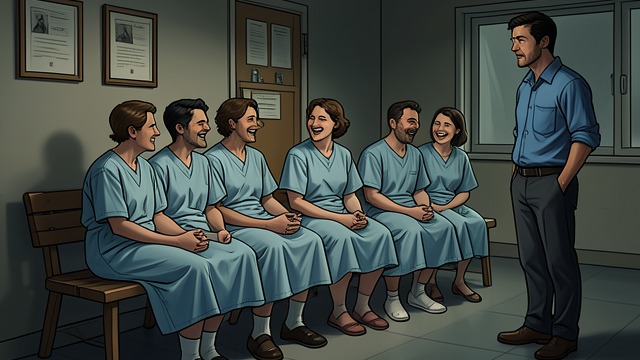
Fellowship in the Ward
Shared experience
Nic connects with other patients, including Stephen and James. Their group conversations and everyday companionship give him relationships with people who understand addiction from inside their own struggles.
The connection can form rapidly in treatment, where vulnerability is openly visible. Nic’s friendship with peers makes rehabilitation more than lectures and rules.
Loss and example
One peer leaves treatment and relapses, showing how easily a recovery attempt can break. The group offers encouragement and a sobering view of how much remains at stake.
Sober Living in Los Angeles
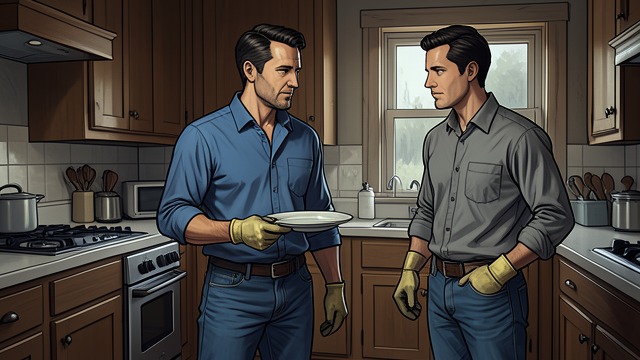
Structure Outside the Hospital
A new environment
Nic moves into Herbert House, where residents attend meetings, do chores, and participate in outpatient care. The structured setting creates daily expectations without keeping him inside a hospital.
He forms relationships with Jace and Randy and begins work at Promises. These supports connect housing, routine, employment, and recovery in a more integrated life.
An experiment in independence
Sober living allows Nic to practice ordinary adult responsibilities while remaining connected to support. It helps him build a life, but it does not make future relapse impossible.
Meetings After Relapse
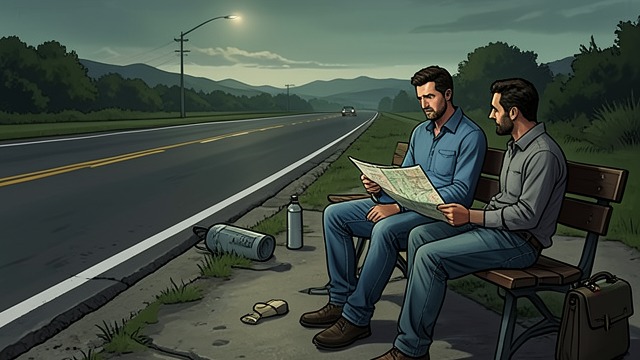
Returning to the Program
Starting again
After relapse, Nic attends more meetings and begins the steps again with Randy. He admits that he had become overconfident and had stopped treating recovery as essential.
He also goes on long rides with Randy and finds a new job. The activities create a rhythm that supports his effort to remain sober.
Repetition becomes work
The return to meetings is not a return to innocence. Nic has to confront the shame of relapse while rebuilding practices he had once believed he could leave behind.
An Uneven Network
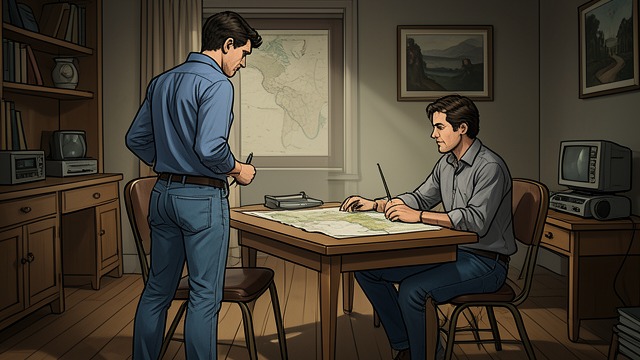
Support Without Certainty
A community can help
Nic’s recovery involves sponsors, peers, counselors, employers, and relatives. No single person carries the whole responsibility, and no one can promise that support will prevent another relapse.
David comes to value these connections while accepting that Nic must choose whether to use them. Recovery is sustained by relationships and repeated action, not by a family member’s vigilance alone.
An open future
Nic leaves Santa Fe and continues his life independently. His support network may remain available, but the book does not claim to know how consistently he will rely on it.
During Nic Sheff’s return home after college
During Nic Sheff’s treatment at St. Helena Hospital
After Nic Sheff completes Hazelden’s New York program
During Nic Sheff’s renewed recovery in Los Angeles
From the final treatment attempt through the epilogue
